For centuries we have heard the old Christmas story titled “‘Twas the Night Before Christmas.” It is a fun and cheery story rhyme for children and adults alike that begins by saying, “‘Twas the night before Christmas and all through the house, not a creature was stirring not even a mouse.”
Although that story has been around for a long time entertaining many during Christmas season, it is not the first Christmas story. You are about to hear a story that happened a long, long time ago, certainly before St. Nicholas and his reindeer made history as the mascots of Christmas.
Many years ago, a child was born and was introduced to the world as the savior for all mankind. In the years that followed, this child was identified as the entire purpose for the celebration of Christmas. In other words, “the reason for the season”.
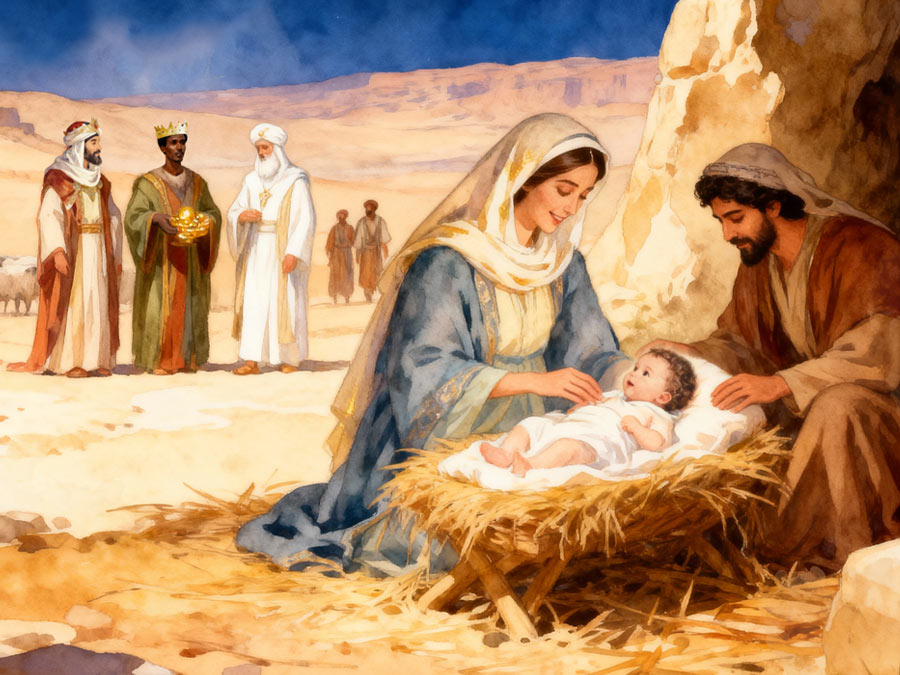
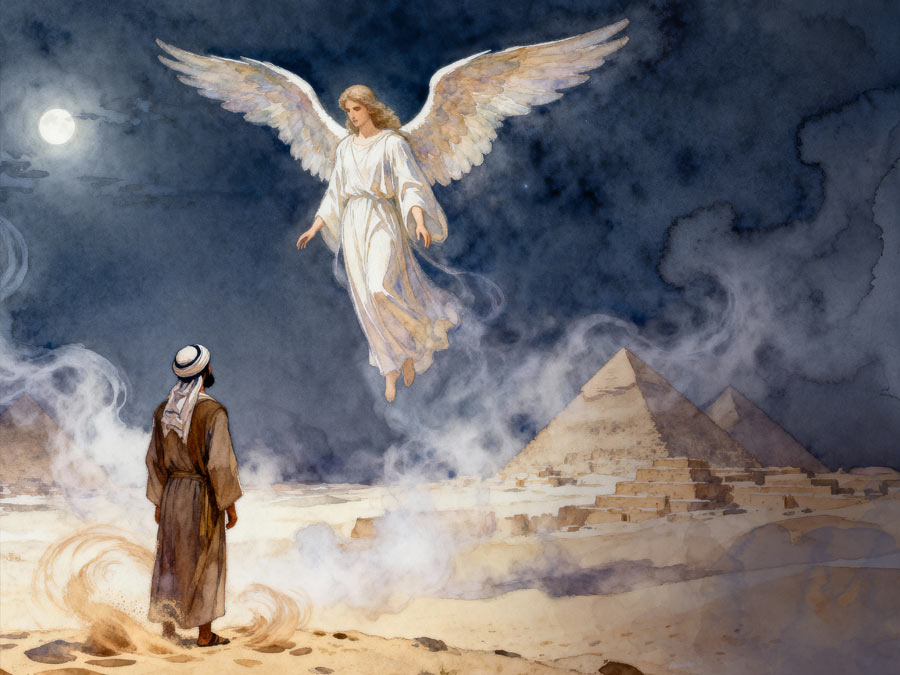
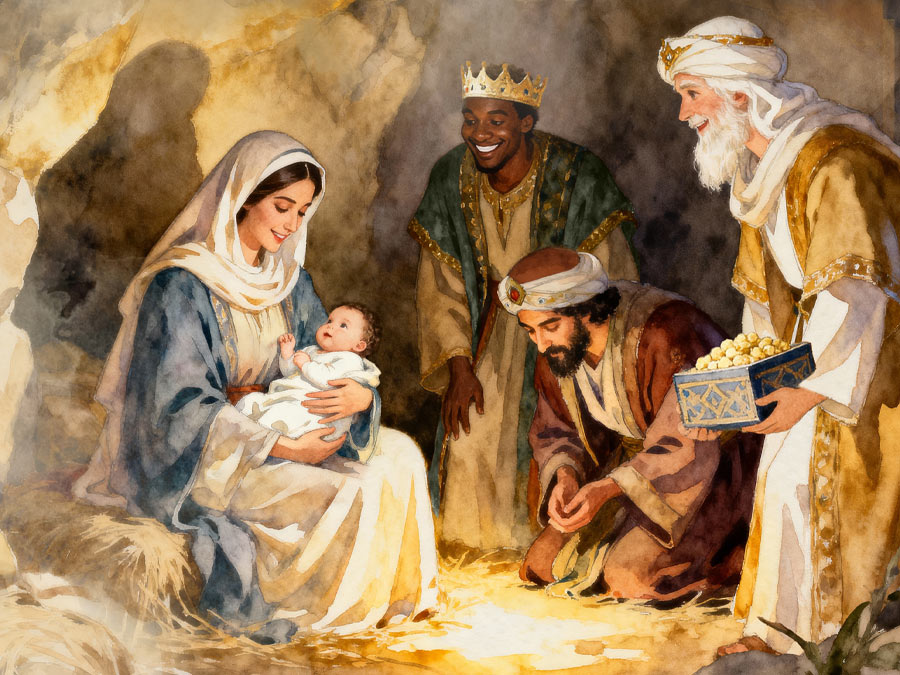
Matthew Chapter 2 describes the events surrounding the birth of Jesus, the visit of the magi, the attempt by King Herod to kill the infant messiah, Joseph and his family’s flight into Egypt, and their later return to live in Israel, settling in Nazareth.
St. Nicholas and his reindeer have its place in fairytale history as a wonderful Christmas story. But let us not forget why that day — “Christmas Day” — originally became a day worth celebrating. The title of this story is, “‘Twas the Night Before… Jesus.”
Some Little Known History
In the song, “Hark the Herald Angels Sing”, the angel is announcing the birth of Jesus, and the soon coming King.
“Hark” means to listen, open your ears.
“Herald” is a messenger or announcer, particularly of royal or official decrees, often with authority. They are responsible for making public proclamations and delivering messages on behalf of a king or other authoritative figures and paving the way for a future event.
Lyrics: Charles Wesley wrote the original lyrics to “Hark! The Herald Angels Sing” which was published in 1739 under the title “Hymn for Christmas Day.” George Whitefield later made some alterations to the lyrics, adding the phrase “newborn King.”
Music: Felix Mendelssohn composed the melody for a different work in 1840 and did not intend it for a hymn. William Cummings adapted Mendelssohn’s music to Wesley’s lyrics around 1855 to create the hymn we know today.
Biblical inspiration: The hymn is based on the biblical account in Luke 2:13-14, where angels appear to shepherds to announce Jesus’ birth with the words, “Glory to God in the highest, and on earth peace, good will toward men.”
More than just a birth: While it begins with the angelic announcement, the hymn is considered a complete gospel story, encompassing the incarnation, the reconciliation of God and humanity, and the promise of salvation.
Theological meaning: The lyrics emphasize how Christ’s birth is not only a celebration but also the means by which God and sinners are reconciled, and how he came to give humanity a “second birth” through his sacrifice.